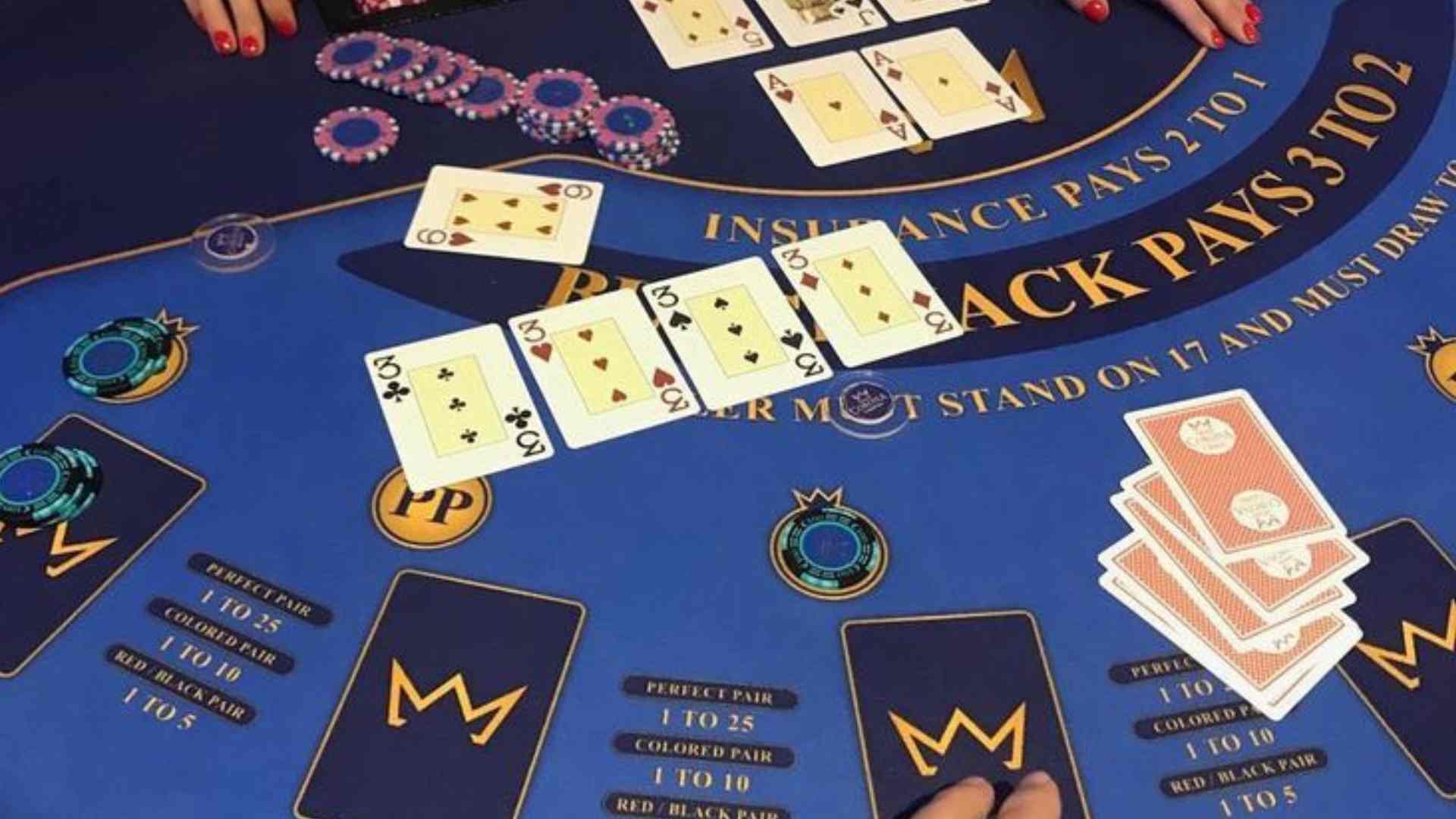
Navigating intricate auctions in contract bridge requires sharp judgment, deliberate planning, and effective communication between partners. When opposing pairs introduce aggressive overcalls or preemptive jumps, standard bidding rules often fall short of describing complex hand values. Mastering specialized strategies for these high-pressure scenarios allows players to maintain control and reach optimal contracts even during crowded auctions.
Evaluating Hand Shape During Competitive Interferences
When opponents disrupt your standard sequence, relying solely on high-card points can lead to inaccurate contract assessments. Evaluating suit distribution and wild lengths becomes far more critical than focusing on raw HCP totals. Assessing how your suits fit alongside your partner's potential holdings helps determine whether to compete further or penalize the opponents.
Extreme distributions often justify taking calculated risks even with modest point counts. Understanding when to value singletons or voids allows partnerships to push for higher trick goals safely. Accurate distribution evaluation remains the cornerstone of surviving heavy auction interference.
Utilizing Specialized Bidding Conventions
Modern bridge offers numerous artificial calls designed to relay precise information when natural bidding space is restricted. Conventions such as negative doubles, cuebid raises, and takeout calls allow players to describe suit support and values simultaneously. Integrating these structured tools into your system eliminates guesswork during contested sequences.
clear partnership agreements ensure that both players interpret competitive bids with total accuracy. Enthusiasts interested in dynamic competitive formats or exploring interactive strategy hubs often check out m88 cá cược thể thao trực tuyến options for engaging strategic entertainment. Maintaining clarity in your conventions prevents costly misunderstandings when the pressure mounts.
Managing Risk with Discipline and Pass Decisions
Knowing when to exit a bidding war is just as essential as knowing when to push forward. Competing too high with balanced hands frequently results in severe penalties and negative scores. Exercising discipline by passing allows your pair to minimize damage when the hand belongs to the opposition.
Patience at the table frequently turns a potentially disastrous round into a neutral or positive outcome. Converting close decisions into penalizing double calls can also yield significant score bonuses. Recognizing the limits of your holding keeps your overall tournament or match standing secure.
Establishing Clear Partnership Protocols
Consistent communication relies heavily on pre-game agreements regarding forcing and non-forcing sequences. Establishing standard responses to opponent jump bids ensures smooth decision-making during fast-paced auctions. When both partners share identical expectations, navigating unexpected layout distribution becomes far easier.
Reviewing tricky hands after matches helps pairs refine their tactical approach for future sessions. Analyzing where communication broke down allows you to adjust your agreements and build long-term trust. Dedicating time to system maintenance ultimately transforms complex bidding problems into manageable routine calls.